

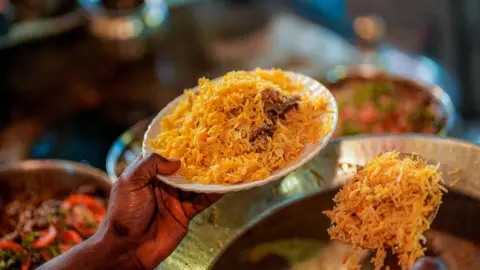
Delectable kebabs, fragrant biryani, and whipped, cloud-like desserts.
The northern Indian city of Lucknow has forever been a food lovers' paradise, with residents and visitors equally celebrating its exquisite cuisine.
Worldwide Recognition
Last month, Unesco honored it as a Creative City of Gastronomy – adding it to a prestigious group of global cities and sparking hopes that it will spotlight Lucknow's sublime food. With this title, it becomes part of a worldwide network of cities cities across over 100 countries dedicated to promoting "creativity as a key factor of sustainable urban development".
The accolade "demonstrates its centuries-old culinary traditions and lively culinary scene," as noted by a official from Unesco's Regional Office for South Asia.
Lucknow is merely the second Indian city – following Hyderabad, which was picked in 2019 – to find a place in this prestigious list of seventy urban centers worldwide.
A Metropolis Shaped by Cuisine
The recognition for this historic city is hardly a shock to its inhabitants or passionate food lovers. Many echo the opinion that it is "better late than never".
With the UNESCO recognition, this beloved, bustling, and eclectic city – the capital of India's most populous state – is now in the limelight for what has always defined its heart: an unparalleled devotion for food.
"'What will be cooked, the method of preparation' is a constant discussion from morning until night in many homes," explains a local cultural expert. "And you are actually evaluated by the excellence of food that comes out of your kitchen."
A Royal Culinary Legacy
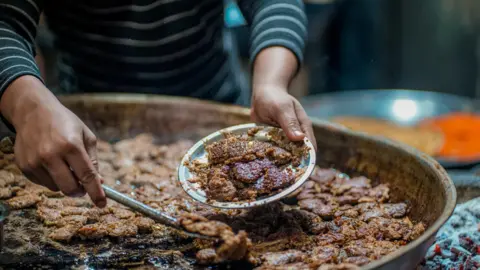
The Nawabi City – as it's often referred to after its 18th and 19th Century wealthy Muslim rulers – is famed for its tender kebabs and a unique take on biryani that were conceived, refined, and taken to extraordinary levels in their royal kitchens.
These royal kitchens were hubs of culinary innovations, blending Persian and native Indian styles to create what became known as the cuisine of Awadh.
It was in that period that Lucknow's renowned kebabs were fashioned. The story goes that the galouti kebab was invented to feed an elderly nawab who had no longer had his teeth. His culinary artists minced the meat with raw papaya, kesar, and a blend of spices and made it so silky that it needed no chewing.
But arguably the greatest contribution of the cooks of Awadh was the slow-cook Dum pukht technique, where food is cooked on a gentle, slow heat, with the container's cover securely closed with dough.
A Diverse Culinary Landscape
In addition to the well-known kebabs and biryani, the cooks also created a vast array of dishes that included kormas (creamy curries), sheermal (saffron-infused flatbread), and shahi tukda (a rich bread pudding).
However, Lucknow is not only about kebabs and biryani – the region is additionally a vegetarian's paradise.
The local traditionally vegetarian community's cuisine not only celebrates fresh harvests but also provides the city its exquisitely crafted Indian desserts, sweets, and distinctive street food, like chaat – tangy fried snacks.
Time-Tested Food Joints
Almost on many street corners, there are small establishments and kiosks – lesser-known treasures that are wildly favored by the locals.
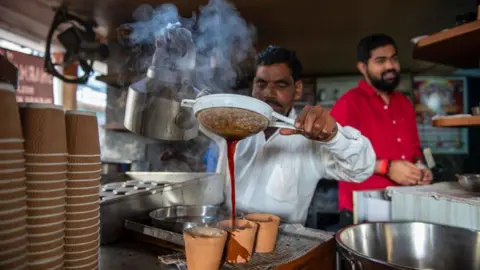
In the city center of Hazratganj, large gatherings start gathering from early morning at a renowned tea stall to get a steaming cup of spiced tea with milk, offered in earthenware cups, along with pillowy soft buns slathered with hand-churned white butter.
In the morning, one can visit a no-frills joint operating in the historic quarter of Aminabad. Nearly 150 years after it was founded, the place is still much sought-after for its hot kachoris (fried bread stuffed with lentils) and jalebis (crispy, syrup-soaked sweets).
Ensuring Legacy Continues
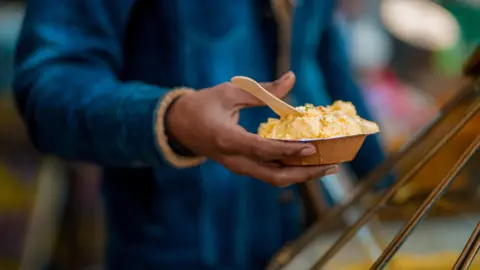
The city also boasts unique treats of the season, such as makkhan malai, a cloud-like dessert found in the winter. The process of making it is intricate and demanding. The artisan whisks the milk and then leaves it out at night, allowing the nighttime moisture to give it its incredible frothy texture.
On crisp mornings, street vendors line up in historic neighborhoods like Aminabad and Chowk. A number of though say that their children are reluctant to master the art.
A well-known culinary expert from Lucknow has frequently stated that the city's rich food legacy puts it among the best of the Indian street food experience. The true benefit from the UNESCO recognition, it is believed, will occur only if Lucknow can now create awareness about its lesser-known eateries.
Every dish in Lucknow tells a story – shaped by generational food businesses, from humble street carts to bustling restaurants, and guarded family recipes.
The international acclaim, it is believed, will motivate more people worldwide to explore these stories and experience the city to delight in the food wonders of Lucknow.

